Fag Shit with Dad
SJ talks gay shit, joy washing, being at home in fag-itude, stretching of flesh and identity, blak queerness, and navigating the relentless bs of the art world and ‘queer spaces’.
Article by:
Play Audio
This is dad uncut (XXL), a series of unedited voice memos sent to me for this edition from SJ Norman.
I want you to listen. Be in company w SJ for a bit. I want you to hear us and what we have to say including the burps and the tangents.
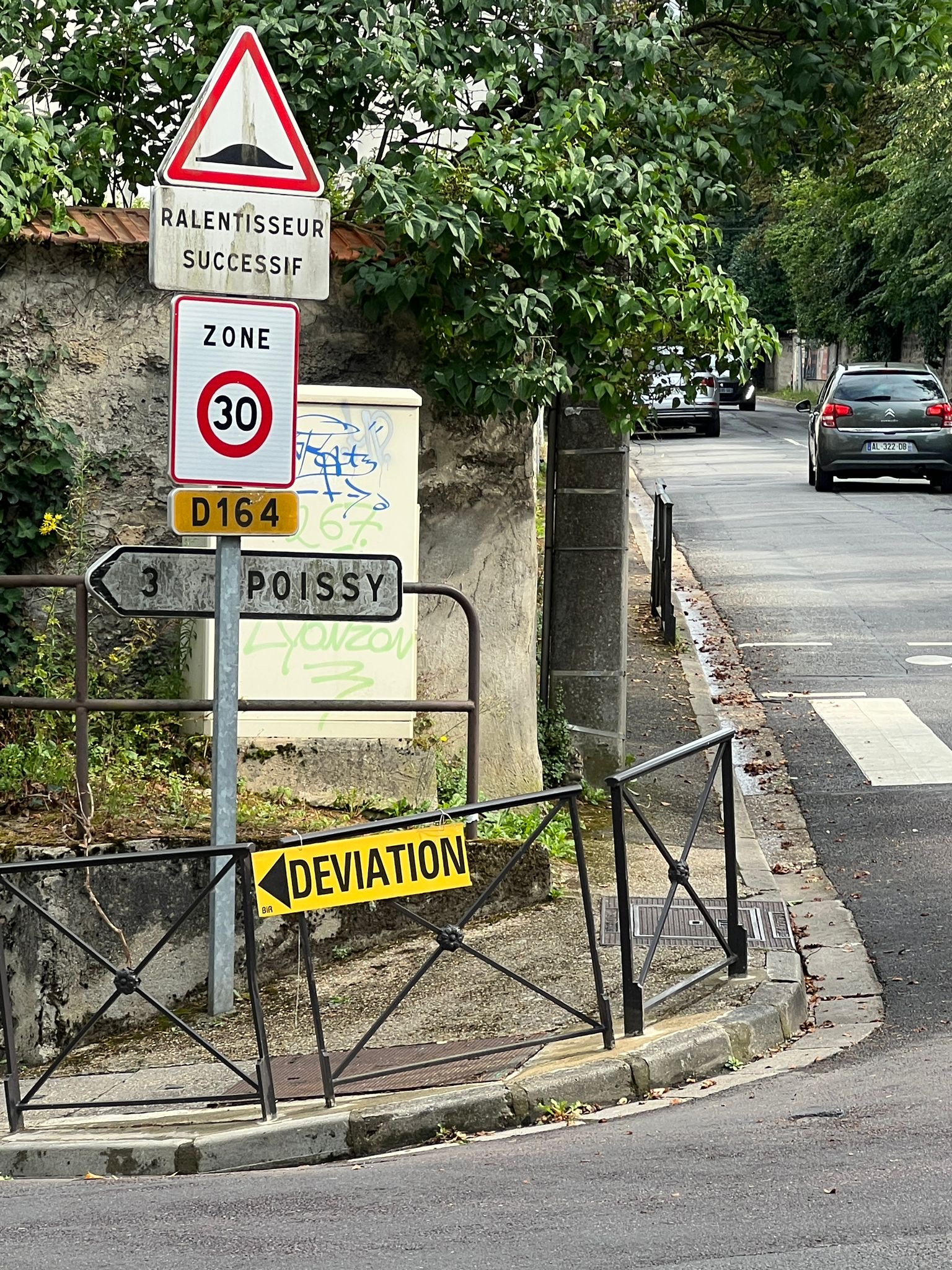
Life is hectic, normtime not poss, we are busy other-worlding out-siding poissy deviating, detours to god knows where. We are a bit scattered sometimes but managed to sync up and get this one together across time zones.
I have had some of the best chats with SJ. I think everything he has to say is really fucking special and real and important and … I love his voice…and the way a voice memo puts a precious voice in our hands, press play anytime, feel a sense of connectedness with another.
45 mins of refreshing aural realness.
Love from Grace and SJ
English Transcript (series of WhatsApp voice recordings Sun 9th Nov 2025)
SJ Norman:
Hey mate, I'm just looping back in. I'm about halfway through your voice memos. I'm sorry it's taken me a minute, especially given the tightness of the timeframe. I just, the conference in Brazil was like next level intense.
Like I kind of thought it was going to be cruisy. It was not cruisy. It was like there's actually two conferences and like back to back, this like queer arts and justice summit followed by this global artivism convening.
And we just need to talk about the term artivism or we need to just not talk about that term and just never let that term leave our lips ever because it's the worst. The global artivism convening, which was like 800 people and that was the one that I was presenting at and it was like…. it was just like…. I am a like cryptid bog hag and I'm just not used to being around that many fucking people.
And Brazil itself is also amazing but also just like next level intense. So I was kind of just like at bandwidth just being there, like just managing my energy and being there. I'm now back in the UK.
I was here. I got in late last night and basically just had to scramble to find a hotel and figure out what I'm doing next because I have to get back to Finland to pick up my doggy and then go, I guess, to Ireland, blah, blah, blah.
It's this whole thing. So I'm just on a bit of a like hairpin turn between now and Wednesday. But I had a spare moment this evening to just like loop back in and I'm listening to your voice memos. And yes, I'm totally happy for voice memos to be published.
That is completely fine with me. Or if you think a transcription works better, also fine with that. Okay, I'm going back in and listening to the rest of your messages now.
Okay, I'm about halfway through these messages and I'm just going to jump right in with a response to what so far is the thrust, if you will, of the question, which is sort of circulating around you know what we talk about a lot in our spaces and in our milieu, which is the question of co-optation, co-optation of life ways and ways of being, ways of doing, etc., but also co-optation of terminology, specifically queer as a term, and the specific history that that term is charged with carrying and the way that that history and the potency that is embedded in that term is being increasingly kind of diluted or diffused into a much more diffuse range of aims which ultimately serve other people and not us and ultimately serve capitalism and not us.
And who even is us anymore is the other question, like as those terminologies become increasingly kind of defanged and increasingly stripped of their proper meaning and usage, like, and become these kind of like, as you said, capacious catch-alls that can mean kind of anything or anyone, like who even is, who is this ‘us’ that we're referring to when we're talking about queerness?
And there's a few ways into that one for me tonight on this fine evening talking to you from where I am right now, which is Manchester in the UK, where I'm having a brief stopover.
Excuse me. I just burped. I had a cider. You can leave that in the recording if you want. That would be a very queer choice.
Um yeah, where I'm just having a moment between, a pause between things. And where I flew in from yesterday was Brazil. I was in Salvador in Brazil, where I was attending two events, one of which was the Queer Arts and Justice Summit, and the other was the Global Artivism convening. So it was two events back to back, both with the same organising group.
And they invited me out to do a talk. I did a talk with Cassils, who, as you know, is like my very good friend and my collaborator, and another artist called Paula Garcia, who is also my momentary collaborator because she works with Marina's people. So we've met through Marina projects. And Paula is amazing, like old-school, dyke, Brazilian performance artist, very hardcore, very cool. So I did a panel with those two and it was like kind of such a relief to be, you know, speaking to two other artists who are not quite my generation.
They're both a little bit older than me. They're like, you know, sort of, they both got about 10 years on me. Or in fact, I think Paula might even be a little bit older. And Gayatri Gopinath, who was the facilitator, who's also around the same age range.
And we were sort of talking about how frustrated we all are. Like off mic, we were all talking about how frustrated we all are with the kind of like joy washing of queerness and how at the previous conference that we'd been at at the Queer Arts and Justice Summit, there was this like, you know, the whole thing was about convening like global queer leaders in the arts and social justice sphere to talk about like, how do we deal with fascism? How do we deal with this? How do we deal with blah, blah, blah? How do we deal with fascism and authoritarianism basically. And how the dominant voices in the room were mostly North American, as usual, and that they were sort of like very, very, very focused on like joy and affirmation and blah, blah, blah.
And here's me and Cassils and Paula Garcia, who are just like of a different generation, you know? And we sort of positioned ourselves in that way. I was sort of talking about how, you know, like so much of my practice in body art came out of being like a queer blackfella coming up against like the sort of UK live art scene and the US body art scene and like figures like Ron Athey and like all of these kind of like AIDS generation like artists who are working with blood and like explicit body practices and all this kind of stuff and like honoring that lineage.
But also talking about how I needed to sort of like reclaim my own space within that as a First Nations artist and all of the weird colonial baggage that so much of that work has and the weird neo-primitivist baggage and all this kind of stuff. And like Cassils is talking about their stuff and Paula Garcia does this like really hardcore work where she like wears, you know, fucking metal body armor and has people throw car parts at her and shit.
Like we're all just doing this work, which is like very sort of like conceptually very honed, physically very robust, comes out of a very specific kind of lineage of performance and contemporary art practice, which is again, straight out of the AIDS generation and speaks in a very direct way to violence.
And we were just going like, we're too old for this like joy shit. Like we're sick of hearing about it because it felt really kind of like by-passy and a bit capitalist to us and like a bit insincere and just a bit piss weak, you know? And we were sort of just like discussing that as like, to what extent is that an aesthetic difference? And to what extent is that a political difference? And to what extent is that just like a generational difference? And to what extent is it also like a really valid critique? You know? So there was that.
How we sort of had this like weird concern about the joy washing of it all and the queer joy of it all and how fatiguing we kind of found that to be as a politic, especially in these times, but honestly in any times.
Anyway, I'm sort of going on a tangent here, but you know, I was at this thing and there was like people from all over the world at it because it's a global convening or whatever. I was predictably the only blackfella there and predictably actually the only person like from the Pacific region, which I found a bit problematic, but, whatever.
But it was, it was, it was cool. It was a really cool convening and it was great to be there. But I was in a conversation, you know, on the last night of like hanging out with this bunch of queers from all over the place.
And it was really interesting, even in the context of that room, you know, to notice how many different expressions and understandings of queerness there was, you know, and that's theoretically great, but it's also interesting to see where the lines are, you know? and how that expresses in even just like in the blood and guts and gristle of everyday interactions between, you know, people in a situation like that.
So an example that I'm going to give as something that gave me pause for reflection was, you know, I'm like in this as like one of honestly only a handful of like visible trans people in the room. You know, it was like a majority cis cohort, even though we were mostly talking about transgender violence. Like that was the topic, like it was on the poster, you know what I mean? And there's a bunch of like high, high profile trans people there, especially from the sort of arts and media sphere in the US and whatnot. There was, there was a, you know, significant trans presence, but we were by no means the majority, you know. And so there was some critique of that.
And it was also interesting to just kind of like be out, you know, to be out with these cats. Like on the final night of the thing, we kind of like finally got to go out and just like be gay. And I was sitting at a bar with a bunch of like mostly, mostly younger people. Like I think I was definitely the oldest person there at this point in the conversation.
Excuse me, I'm burping again. I hope you got that for the audio. At this point in the conversation, I was the oldest person there and I was talking to this like, you know, much younger lesbian identified person, cis lesbian identified person, who was like very worldly and seen a bunch of things.
But it was interesting because it was like my queerness I found out to a younger cohort, a younger generation, was like kind of illegible to people who didn't necessarily have the right sort of range of signifiers or literacies to understand me as a trans faggot.
Like people understand that I'm trans because they understand that I'm trans, you know, because they've seen me in the pool with my shirt off and my like pre-surgery chest on display. People know that I'm trans, but they couldn't clock like what kind of gay I was, you know?
And so I had this interesting chat with this like younger lesbian who's like, I think she was like 27 or something was like, but who are you into? What are you into? Like you fuck men, right? And I was just like, yeah, I fuck men.
Like, but like, I also fuck women. I, you know, I was just like, it was just a really funny conversation because it was just like, I felt like I could have been having a conversation with a young 27-year-old lesbian from like 15 years ago where she just kind of couldn't clock the fact that I'm just fucking bisexual.
I was like, are we really here? Like it was interesting because everyone at the table is queer, quote unquote, queer, but that meant something really different to everyone who was there, even in this like explicitly queer cohort of like queer arts leaders.
And so I'm having this conversation with this young guy who's just like, but what are you even into? I'm like, I'm into everything, bro. Like I'm into anything and everything. I've dated every kind of person that there is, you know?
And I was just like, look, I'm social. I'm like, I'm faggot socialized. Like, that's how I present in the world. That's how I roll socially. That's how I, how I identify. I identify as a queer man. I am a queer man and a faggot who also fucks women, who also fucks like every other kind of imaginable point on the gender spectrum, potentially.
You know, I have my leanings in one way or another, but they also really fluctuate, like massively fluctuate. And I'm just like all over the fucking place on the Kinsey scale and always have been. And for me, when I was coming up in the 90s, you know, like that's how I used the term queer. That's what it meant to me because it was just like as a queer, as a queer teenager in Australia in the 90s, there wasn't any other kind of term that was available to describe who I was into. I didn't identify as bisexual because at the time, like I understood that I was also potentially trans and also potentially into trans people, as well as being everything else that I'm into. So I was just like, I'm pretty sure I'm just into everything. And I'm pretty sure that makes me queer because I'm also pretty sure that I'm like gender weird, but I don't necessarily have a name for that. So queer is what we're going with. And I even remember having this discussion with like my mother of all people going like, I'm not bisexual because I don't believe in a gender binary. I'm just a weirdo who's kind of into everything with whoever.
And that was how I like came out to my mother, you know, was using the term queer, which was quite spicy for a 15 year old in 1997, you know. And so I held onto that term for a long time. And it's interesting that now, increasingly when I'm in queer spaces, even like in a conversation like that or on a fucking dating profile or whatever, I now don't actually list my identity as queer.
I will explicitly say I'm bisexual because I have found that it's the only way to make my preferences, my literal concrete sexual preferences legible in queer spaces because queer doesn't functionally mean anything in those spaces anymore.
Queer could just mean I'm gay and a bit fruity. Queer could just mean I'm a lesbian but I don’t actually want to claim that identity because I don’t want to take on the TERF noise that comes with it. Queer could just mean I’m fucking straight and paint my nails. Like queer could just mean literally anything so in terms of like situations where I want my identity to be legible because I want to get laid, that's not even the term that I use anymore, which occurred to me as being quite funny and quite twisted.
It's not the first time I've had that conversation or not the first time I've thought about that as being quite funny and like, isn't it ironic, Alanis Morissette? But nonetheless, something which I'll just like share here as a jumping off point is that the queers aren't even queer anymore.
The OG queers aren't even queer anymore. We're just being bisexual again, or we're just being gay again, or I'm just being a faggot. To answer your second question, which is like, what term do we even use that even has teeth?
Like at this point, I will just tell people, excuse me, I'm a faggot because it's the only, it's truthful for a start. It's the only word that I can find that feels like it truthfully and completely encapsulates my identity and my sexual practice and preferences and my social identity and my politic all in one package.
Faggot.
Also faggots a hard one to co-opt. I can’t picture any arts organisation printing that word in all seriousness on a flier or on an exhibition catalogue or in a piece of you know show collateral or whatever it’s still difficult. It still ruffles feathers. It still has teeth. It still raises eyebrows. It still has some violence in it. You know, there's still something in that that feels worthy of reclamation, which is not the reason why I use it.
I use it because for me, it is genuinely the most comfortable terminology. It just so happens that my comfort is not other people's comfort. And that's what makes me an OG queer. You know, they can't have it.
They can try. They can try. But really, they can't have it. I will also add to that that one of the other reasons why I quite feel at home in faggotude and infaggotry as a self-descriptor is because it does accurately describe the kind of gay I am.
Like, and, people who know will know, you know, there is a certain kind of gay man who will never call himself a faggot. And there is a certain kind of gay man who will only call himself a faggot. And you only know that definitively if you hang out with faggots.
You know what I mean? Like it's a really situated term in that way. And it's a flag in that way because you can drop it and know exactly the kind of person that you're speaking to and whether they're your people or not based on their reaction, you know?
And that is a very useful thing because if there's one thing that queer languages are meant to do, it's that, you know, they're meant to produce moments of like subtle embodied differentiation where you're working out who you're speaking to and who's hearing you and like what kind of shared basis you might be on in a very subtle way.
And so it's a flag in that way. But it's a political flag less than a sexual flag. You know, if someone bristles when I say that, then I can read the bristle and know what kind of bristle it is. And there's a few different ways that I can witness a bristle with that one.
You know, like in some cases, it's just because people consider that to be foul language and they consider it to be like, you know, a spicy term that, as I said, still has some violence in it. And some people are uncomfortable with that.
And if there are, if I'm dealing with someone who I know is uncomfortable with violence, with the reality of violence embedded in queer language and in queer lives, then I know I'm probably dealing with someone who's part of the joy washing brigade and I don't really want to talk to them, you know, because I'm a faggot who hangs out with faggots, who are comfortable with being faggots.
The other layer to that is that because I'm a trans man, there is like a certain kind of tell that happens if I'm dealing with cis men who don't know that I'm trans or cis men that do know that I'm trans, rather, in the sense that they occasionally, very occasionally, might have like a reaction to my usage of that term because they feel gatekeepy of it as men who have grown up as men and who have been socialised as men and who have had all of the kind of suffering that gets heaped on queer men because they have an assumption in the same way that terfy lesbians do that that experience is not also mine, you know? um so there is like a weird unspoken transphobia or trans exclusionary kind of like tendency that is revealed sometimes in people's reaction to my use of that term specifically which is also useful information for me as a transsexual faggot. There's also that, which, you know folds back into queer right because I can remember being on organizing committees you know for events multi-generational queer events where there were older gay men in the room who bristled at the use of the word queer who absolutely refused to allow the word queer to be used in relationship to events.
This is not even 10 years ago that this was happening that there were older gay men in the community the “community” um as we call it, whatever that word even means anymore, um who could not absolutely could not stomach usage of the word queer, you know, because for them they just they just couldn't, you know, so I guess the term still has teeth for some depending on where you are but, yeah.
I just got to the message where you said now is the time where we start figuring out how to give this conversation structure, um, but also gave me license to go on a tangent to any of the previous statements if I wanted to and I guess I just did that.
So that’s good, okay, um threading in now with responses to some of your I got through all the voice memos now so looping in now with responses to some of the material in the last voice memos and some of the questions there.
So you talked about how when we met it was part of the Vtalstatistix workshop the Secondhand Emotions workshop which I facilitated um with Sarah Rodigari and Mish Grigor and how on the first day and one of the first conversations that we had as a cohort um old mate here just went straight into a conversation about the potentially transcendent and transformative qualities of fisting as a practice which is very lol and very me like not me talking about fisting again um one of my favorite subjects um and um how you were talking about how that was an important moment for you and that was really lovely to hear, by the way, about how that was an important moment for you in terms of thinking about your own identity and, like, maybe quote-unquote, stretching, stretching it out a little bit, maybe? Bad metaphor, but you know what I'm saying.
Yeah, just um maybe changing its shape or its capacity um in some sort of subtle way that's had a lasting impact on you. And that was really lovely to hear. And maybe that's why I do just like straight up walk into a workshop and just start talking about fisting immediately because it's just like, I don't even know if there is a why to that.
I think that's just the sort of thing that I do just because I'm a fucking gay, you know, and I'm a gay and I'm a leather gay and that sort of, that sort of stuff or that kind of chat is so second nature to my being in the world that it's something that I often don't even realise I have to choose my audience for.
You know, like I remember when Permafrost came out and there's like that one story that has the really like hot fisting scene in it that all of the queers were like losing their minds over. But I remember when like straight reviewers reviewed Permafrost, like so many of them like talked about like all of the perverted sex in the book. And I was like, there's literally only two even mildly sexual scenes in the book. And they were talking specifically with a number of reviewers like mentioned the pervert sex in Whiteheart. And I was just like, it's just a fisting scene. Like calm down. Like fisting is vanilla where I come from. Like piss is vanilla where I come from. Like piss is like a Wednesday night. You know what I'm saying? So it's just like, I think that just sort of leads into what I was trying to say with this one, which is that so much of the queerness or the selfhood that I'm describing or that I have historically described with the term queerness is like not even a necessarily oppositional position.
You know, like, it's not, it's not like I woke up one day. I don't think any of us did like necessarily woke up one day, just like, “I am going to inhabit like an oppositional identity”. I think I just already had an identity and a sense of self that was pretty innate that I learned at a pretty young age was considered to be oppositional.
But it was not ever something that I cultivated. It still isn't something that I cultivate. Like much to people's confusion or like consistent misreadings of me, like I don't step up, step out my door in the morning going, I'm going to be a fucking freak today.
I just am a fucking freak. And if anything, I tone my shit down. Like I tone my shit down in order to like live in the world. But because I'm just like hardly ever around the straight world anymore in any sort of capacity, I don't even really know. I wouldn't even know how to have an identity that is like oppositional in nature because I have no relationship to the perceived antagonist. Like, I have a relationship to it in the form of like embedded forms of state violence.
I have relationship to it in terms of the fact that I just had to flee the United States for fear of my life and safety. You know, I have a relationship to it, but that relationship is predominantly structural. It's not aesthetic, you know? And that is a big difference, right? And I don't even necessarily have a strong sense of like oppositionality within queer community right now because I'm not even sure if there is a queer community anymore.
And wherever it is, it's not necessarily where I am. Like I've been living on an isolated beach in like rural Mexico for the last nine months. Like I don't even leave my fucking house anymore, you know, which is kind of like a reality for honestly a lot of faggots my age and certainly a lot of trans people, you know, is that you do, there is like an isolation that comes with it as the world kind of becomes, I don't know, more and more weird and vanilla. And I don't consider myself to be oppositional to the world at all. I'm quite in love with the world, but I'm sort of perpetually reminded of my own difference whether I like it or not.
And so just going back to the fisting metaphor and this kind of like, this idea of kind of like antagonism or oppositionality, like, yes, I do think I embody a fairly significant degree of oppositionality, but it's not something that I consciously cultivate at all. You know, it's just a factor of my being that I have to find a container for somewhere in language, you know? But if anything, if I think back to like my earliest like inklings that I ever had that I was “different”, you know, which is like, I couldn't even tell you when the first time I realised that.
Probably I think I realised that as soon as I could realise anything. Like this awareness has been with me for as long as I can remember. And there's also many layers to it with me. You know, it's not just about that. There's many layers to it. There's many other factors folded into my identity that are part of that sense of like generalised miasmic otherness. But if I think back to my earliest sort of realisations, it was never even, even then, it was never a matter of like opposition.
It was actually, if anything, a sense of embracing things from the outset. And what I mean by that is what I witnessed in most of the quote unquote straight world around me, or the people who thought they were normal or the people they thought they were whatever, the people who thought they were different from me.
What I noticed was different between them and me and what is still different between them and me is that they seemed to hide a lot. There seemed to be a lot of omissions in their realities. There seemed to be a lot of omissions in their sense of self, in their eroticism, in their identities, in their friendships, in their families.
There was all these lacuna and silences and things that weren't being said and things that people were faking, things that people were lying about. And I was like, I'm a lot of things, but I'm not a liar.
And I don't know if that makes sense, but it was just like, I felt like my queerness was then and still is like an embrace of like the totality of life, including all of its ugliness, all of its complexity, all of its if and ors, maybes, buts, etcetera, which is sort of like what I was saying before about like violence. You know? I don't go looking for violence. Violence happens to me because violence happens in the world. And I feel uncomfortable with people who choose to strategically diminish or deny that fact because I think it's psychologically and spiritually unhealthy.
And I think it's a very diminished and inhumane way to live. And I think it's a mechanism that supports a lot of evil in the world. And I think it's stupid. So there’s that.
Okay, and this is going to be my final riff for the evening.
I think the last question was about institutions and about how my queerness has or hasn't changed my orientation or my experiences within institutions.
Honestly, it's a difficult one to answer because I don't necessarily feel like my queerness is extensively embraced by institutions. Because in Australia, at least, and in most places, my queerness as a thematic that most curators or institutions or even audiences to a certain extent are going to be interested in, my Aboriginality eclipses my queerness in terms of other people's understandings of my work and understandings of my relevancy as an artist, which is something that fucking pisses me right off on the daily.
Like, because my queerness and my Aboriginality are not separate issues. They are not separate themes. They are completely entwined in my work, you know, at a thematic and methodological level. You cannot pick them apart and isolate them.
But I never, I hardly ever get invited to do the queer shit. You know, I never get put in queer shows. I never get, I never, it never, it rarely, if ever, does it happens, does it happen, you know? When I'm asked to do things or I'm asked to be in public or I'm asked to do shows, it's almost always the focus from a curatorial standpoint is going to be on my blackness.
And that's fine, but it does irritate me that my queerness is consistently diminished in that. Because when I was first coming up, my Aboriginality was the thing that was consistently diminished because I'm fair skinned and because I was predominantly within, you know, a queer milieu and there weren't many other visible blackfellas in that space at the time.
Like you could count them on one hand. Like you could count them on half a hand, to be honest, in a lot of the sort of like queer performance and art spaces I was in in Sydney, you know, at that particular time in this particular scene.
And so those factors meant that I was basically just read as like a pretty young femme who did weird body art, you know? And that was fine for people, but I then had to sort of come in in this like very specific way and assert my cultural identity through my work in a way which at that time made people uncomfortable.
And people still say shitty, racist things to me who are from that time and place. I mean, people still say shitty, racist things to me all over the place, but particularly, you know, people who kind of I knew from that time, who maybe are not aware of my, the full breadth of my work, you know, and so it's this kind of constant thing that I think so many Aboriginal artists and particularly Aboriginal artists of my generation and older have to contend with, which is just like you can only be half of yourself in any room that you're in, you know, because in blackfella spaces and in blackfella kind of like cultural context in terms of the way they're framed by the institution, not how they're framed in community necessarily, but how they're framed in the institution, your queerness is always like a footnote at best.
And then when I'm in queer spaces, you know, my Aboriginality is there, certainly now, because how can it not be? Because that's my kind of the, I think the main lens through which most people understand my work.
But it's there as a kind of like a thing which at best exposes me to racism and to bullshit. It's not something which I feel is necessarily actively celebrated or understood in those contexts. So there's this, there's this very annoying kind of ontological divide between those two realities that has nothing to do with me and has everything to do with like the lack of cultivation of audiences and curators.
And also just like a lack of like basic art historical knowledge on behalf of like most people calling themselves curators now to even situate my work within a canon of body art and even put it next to artists like Ron Athey who I've mentioned or Guillermo Gómez-Peña or like, you know, the canon of like explicit body work that either draws on native practices or native culture in different ways, you know, for want of a better way of framing it or a less US-centric way of framing it. But also embraces a plethora of black and brown and Indigenous artists who are doing similar stuff, which is why I made da-da-da, Knowledge of Wounds.
That frustration is what seeded Knowledge of Wounds. And I was just like, we need an explicitly queer, indigenous, like experimental art, multi-art platform that understands that these things are not separate because the greater structures of the art world, the greatest structures of the publishing world, the greatest structures of the cultural industries, but also most community spaces as I have encountered them at my age group, you know, are not doing a very good job of that. So, I'd be happy. I would be happy for a curator to come along and co-opt my queerness, to be quite honest. It would be a refreshing change from them co-opting my Aboriginality.
Anyway, that's maybe it for tonight.
You know, I actually have so much more to say on that last point. Now I've like cracked it open in my brain. Cause it's just like, ah, on the one hand, it feels like such a like hackneyed like point to be making.
Like the whole point about the like binary opposition in terms of people's capacity to understand blak queerness as being a distinct thing. But maybe for a general audience, it isn't hackneyed like maybe for a general audience, it's something that needs to be put out there quite explicitly.
Maybe it's just hackney for me because it's something that I find myself talking about relentlessly with other queer blak artists, you know, is it is just this like constant fucking abrasive, you know, separation that you have to deal with in other people's minds working between those two realities where it's just like you're never your “whole self” really in any room or any show that you're in because it's like your queer milieu doesn't really fully understand or embrace your Aboriginality and your Aboriginal milieu as an artist doesn't always um understand fully understand or embrace your queerness in ways that are very complex and like like too complex for me to kind of go into in a voice memo.
Like that's kind of like a whole that could be a book honestly or at the very least an essay and to a certain extent it's also like a private chat that I feel necessarily happens between queer blak artists because there's a lot of things in that chat there's a lot of things in that um in that conversation that are delicate and difficult if not impossible to talk about properly to a general audience like they have to be closed room discussions to a certain extent.
But the frustration is really real, you know? the frustration is really real and the frustration I think also that what is embedded in that frustration for me again is the fact that this is an imaginary divide it is a structural divide it's not imaginary in the sense that it is absolutely structural and very concrete in terms of the ways that it appears as exclusionary tactics in the world but ontologically, metaphysically, culturally, truthfully, like it is not a distinction which resonates as true with my body or as any with any queer blak body thatIi know you know and we're kind of constantly talking about this amongst ourselves how you know you you cannot understand my queerness unless you understand my Aboriginality and you cannot understand my Aboriginality unless you understand my queerness because their expression and the way that they are lived and breathed through my being and therefore through my practice are completely interdependent and non distinct you know.
And that sort of loops me back to this joy washing thing right and the you know the co-optation piece right because that distinction is fake and it’s also strategic because what it seems to do is isolate those two identity experiences as units of capital um you know as fungible units of capital basically within the cultural industries rather than like fully complex lived and breathed experiences and um the way that I often sort of notice this emerging and something that again I feel like I talk about a lot with other queer indigenous artists is how you know if you’re going to be a queer blak artist you kind of, and you want to have a career, and you want to be seen and you want to have to be triple booked with shows and you want to kind of like visible and embraced, then you do have to kind of like embrace a degree of self censorship and um there is a sort of pressure to, I dont know like, again this is a delicate thing, but you kind of have to be a certain kind of gay to get away with it, do you know what I mean? um there has to be a degree of levity to it and not in all cases cos obviously there’s plenty of super fucking badass queer blak artists you know and I’m not diminishing them at all but um you just can’t be too difficult, can you? And you’re already very difficult if you’re queer and you’re already extra difficult if you’re blak and you’re like difficult difficult if you’re queer and blak and god forbid you’re trans as well you know.
um god forbid you have um say you know disabilities like I do as well so there’s crip stuff into the picture you know like god forbid you can’t be too much of a difficult body or too much of a difficult person and you can’t make people feel too bad you know so I think there is an experience that I have like consistently had throughout my career and which I think others of a cut from a similar kind of cloth to me have also had where it’s just like if you’re going to be a blak artist you have to just kind of shut up and put a feather on it and like make stuff that white people like you know and if you’re going to be a queer blak artist then you have to just kind of be like politely and joyously gay in a way that is going to be also comfortable for people and if there’s too much blak anger in it and too much queer anger in it then well that’s just too much anger which is unfortunate and like a very diminishing like way to look at these things for a huge range of reasons and also just like again it comes down to a very like capital A capital A-rt question around like lack of curatorial knowledge or expertise in terms of dealing with edgier quote un-quote edgier work you know like I’m not just out there fucking cutting myself for no reason that is work that sits within a canon of similar work and is referencing similar work and is also referencing my cultural practice and reclaiming elements of my cultural practice and all of this kind of stuff but it’s not just me going like ‘oh I’m gonna just perform violence for you all’ like it sits in an art historical canon. And it is conversant with an art historical canon and it is formally and conceptually conversant with that canon, you know, and so when it just kind of gets like understood as this sort of like compulsive performative violent self violent gesture it’s very irritating because that’s not what it is it’s very thoughtful and very well executed and sits in within deep and sustained conversation and discursive interaction with a canon of art and practice and queer theory and anti-colonial theory and all these kinds of things and that’s what too many motherfuckers miss out on when they silo these conversations and that’s, it’s now 11:30 at night, and these are my riffs for the day, finito.
Oh wait. Footnote. Footnote, footnote. Sorry, I do go on.
Um so everything I just said about like the co-optation of blakness and queerness and how you have to like tone down the volume on both ends in order to be like a popular girl or whatever and how you can’t be too angry and you can’t be explicit with your body and you can’t express too much sovereignty with your body you can’t be a complex body you can’t be a sovereign body all of that also applies to transness, by the way.
Like, I’m just thinking back to you know a chat that I had with a publishing professional recently as I was like trying to sell my second book which is a book of essays about like trans eroticism and borders and disability and like bodily sovereignty, basically, and I was sort of like trying to flog the outline for this book and trying to sort of like sell a couple of you know like the first like 30 pages of this book or whatever, anyway, my agent sent it out to publishers in Australia and the consistent feedback that I got was like this is very fine writing but we don’t understand what this book is about and I’m like I just wrote you an outline I told you what this book is about. Like and it’s like it’s not complicated I wrote you a sexy beautiful lyrical essay about a trans hookup a T4T hookup and I like threaded all this stuff in about borders and violence and covid and histories of contagion and all this kind of stuff and it was like really dreamy and good and one of the best things I’ve ever written, but, the the feedback that I consistently got from publishers was ‘we don’t understand what this is’. you know.
And I remember having this like. conversation with my agent actually which just kind of like broke me a little bit where I was like “I don’t understand why we can’t sell this book like trans memoir is so hot right now like it’s like all the big memoirs are like trans memoirs and like people want to hear about our tranny shit you know?” And she was basically like ‘yeah but it has to be kind of preppy and digestible’ like those were her words. she was like ‘it has to be kind of like preppy and digestible and like heart stopping level like you have to be like it has to be like very affirming’ and I’m like I thought I wrote this really affirming beautiful piece about like trans people fucking and surviving and having a great time but apparently it wasn’t cute enough for the publishing industry and so that is like something like that is a thing that’s just like consistently sticking in my craw where I’m just like oh, my body and all its complexity and all of its experiences, which I consider an experience to be so joyful and so complex and so worth writing about and so worth telling stories about, I’m being told flatly by industry professionals in publishing that despite the quality of my work, despite the fact that my first book won a bunch of awards and blah blah blah blah blah and despite the fact that the book is good they can’t publish it because it’s not ‘preppy enough’ and not ‘sweet enough’ and not ‘polite enough’ and not consumable enough and like I’m not dissing my agent she was just telling me the truth but it was a hard truth for me to hear. Gotta say.
Anyway. And that is properly me coming to a close now.
Thanks for letting me go off.
Love you.